
Understanding Leaky Gut and Inflammation
Leaky Gut Syndrome: Could It Be the Cause of Inflammation and Chronic Health Problems?
By Dr. Joseph Heinecke, Mountain Valley Chiropractic – Grand Junction, Colorado
When thinking about bodily ailments, our natural inclination is to try to isolate exactly where a problem is coming from. What do I mean by this? Shoulder pain must equal shoulder dysfunction. Joint pain must equal joint dysfunction. If I get sick, it must be the bacteria or virus that caused it.
The point is, we tend to isolate symptoms into isolated causes. This is especially common in Western medicine. While this approach can be accurate in some cases, for example, a rotator cuff injury clearly causing shoulder pain, it does not always explain what is going on in the body.
Often, I hear patients say, “I don’t even know what I did.”
So, what about cases where there is no clear mechanism of injury, yet a person experiences daily joint pain (localized or widespread), low energy, chronic inflammation, frequent illness, autoimmune conditions, skin problems, food sensitivities, brain fog, headaches, difficulty concentrating, or digestive issues like constipation, diarrhea or painful bloating and gas?
What could all of these seemingly unrelated conditions have in common?
The Common Thread: “Leaky Gut” (Intestinal Permeability)
The answer may be “leaky gut,” also known as intestinal permeability.
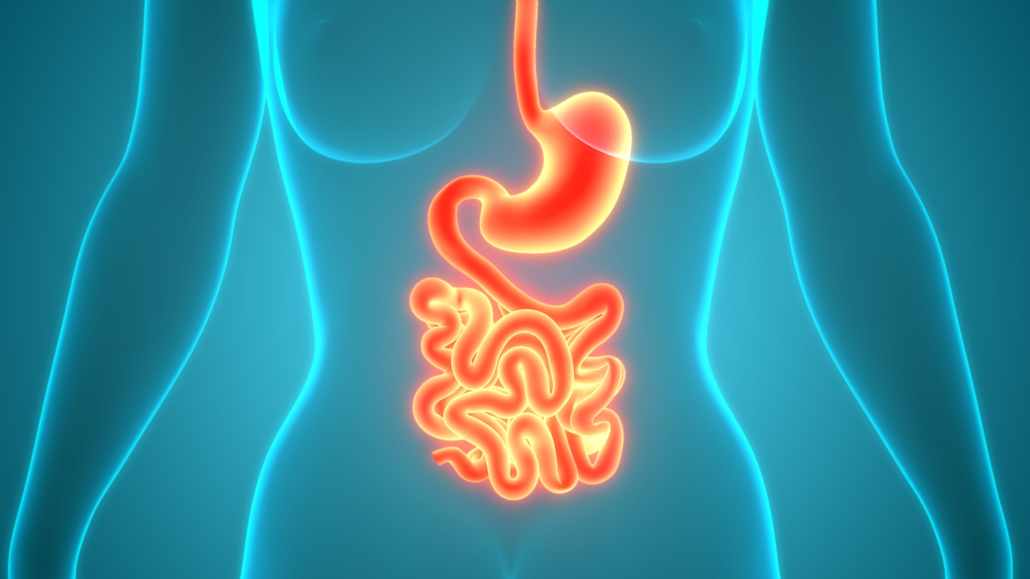
Leaky gut syndrome is a condition involving damage to the lining of the small intestine. This damage can allow incompletely digested nutrients, toxins, bacteria, and waste to pass through the intestinal barrier (tight junctions) and enter the bloodstream.
When the intestinal lining is compromised, it may also fail to produce the enzymes needed for proper digestion, leading to poor nutrient absorption and further imbalances throughout the body. Over time, this can contribute to hormone imbalances, immune dysfunction, and systemic inflammation.
As foreign substances enter the bloodstream, the body may trigger immune responses, leading to inflammatory and allergic reactions. These can present as respiratory issues, digestive problems, headaches, joint pain, skin conditions, and more.
When this happens, the liver is forced to work harder to filter these substances. Over time, this increased burden can contribute to conditions such as non-alcoholic fatty liver disease. As liver function becomes compromised, toxins and metabolic waste may recirculate in the bloodstream, affecting muscles, connective tissue, and other organs, contributing to widespread dysfunction.
Contributing factors to leaky gut may include chronic stress, excessive sugar intake, low-fiber diets, alcohol consumption, NSAID use, and food sensitivities.
The Gut as the Center of the Immune System
Research shows that approximately 80% of the immune system is associated with the gut. This dense concentration of immune activity is primarily housed in the gut-associated lymphoid tissue (GALT), making the digestive tract the body’s largest immune organ. (1)
With that in mind, it becomes easier to understand how immune dysregulation stemming from gut dysfunction can lead to increased susceptibility to illness, infections, and even autoimmune conditions.
The Gut and the Brain Connection
Learn more about the gut-brain connection: https://my.clevelandclinic.org/health/articles/23006-gut-brain-axis
We also know that approximately 80–90% of mood-regulating neurotransmitters such as serotonin and dopamine are produced in the gut, not the brain. (2)
This helps explain why medications such as SSRIs (selective serotonin reuptake inhibitors) often come with significant side effects and may not address the root cause of the imbalance. They focus on a small portion of neurotransmitter activity while ignoring the gut environment that produces most of these chemicals. This can have a very big influence on mood and mental health.
The Gut-Joint Connection
Emerging research also supports a gut–joint axis. Conditions such as early-onset degenerative joint disease (DJD) rheumatoid arthritis, Spondylarthritis and disc degeneration may be influenced by inflammatory processes originating in the gut. (3)
This inflammation can contribute to premature wear and tear on joints, cartilage damage, and degeneration of intervertebral discs, the shock-absorbing structures of the spine. Over time, this may contribute to earlier-than-expected joint breakdown, joint pain, and may be associated with progression of degenerative joint changes in some individuals.
The Gut-Brain Barrier and Neurodegeneration
Dementia and Alzheimer’s disease are among the most devastating conditions affecting both patients and their loved ones. Some researchers have referred to Alzheimer’s as “type 3 diabetes,” highlighting its metabolic and inflammatory components. While it’s not officially recognized as a standalone diabetes diagnosis, more research points to overlapping mechanisms between the two. Dysfunctional insulin signaling contributes to the buildup of amyloid plaques and tau tangles, which are the hallmark brain changes in Alzheimer’s disease. A compromised blood-brain barrier has been closely linked to the development and progression of neurodegenerative diseases. (4)
Importantly, breakdown of the blood-brain barrier may begin years before cognitive symptoms appear, acting as an early marker of disease progression, not merely as a symptom of the disease itself. One can see how the health of the blood-brain barrier, which is closely tied to gut barrier integrity, is of critical importance for brain health and may be a major factor in preventing cognitive decline.
A leaky gut can contribute to this process through a cascade of events:
First, microbial translocation occurs, where undigested food particles, toxins, and bacterial byproducts such as lipopolysaccharides (LPS) enter the bloodstream. This triggers a chronic immune response and elevated inflammatory cytokines (such as IL-1 and IL-6).
Over time, these inflammatory compounds can reach the brain and disrupt the tight junction proteins (such as occludin and claudin-5) that maintain the integrity of the blood-brain barrier. Once this protective barrier is compromised, the risk of neurodegenerative conditions increases significantly.
My Perspective as a Healthcare Provider
As a healthcare provider, one of my greatest challenges is helping patients navigate the constant exposure to oversimplified, and often misleading, health messaging, particularly through pharmaceutical advertising.
The long list of side effects often presented in these commercials should be enough to encourage people to look deeper, yet this is not always the case.
This is why I consider educating patients and teaching them how their body truly works, not what a commercial suggests, to be a frontline responsibility. In fact, the word “doctor” comes from the Latin root docere, meaning “to teach.”
I have also personally experienced gut health struggles, which is part of why I am so passionate about helping others restore their digestive health. Based on the growing body of research, I believe gut health must be placed at the forefront of healthcare.
Our Approach at Mountain Valley Chiropractic
Participating in the comprehensive program we offer in our office to support and restore my own gut health has been truly life-changing. I have experienced meaningful improvements in many areas of my health and overall well-being.
In our office, we now offer tools, education, and a comprehensive approach designed to help patients restore optimal gut health. Our goal is to address leaky gut syndrome in a way that supports both current symptoms and long-term health.
Please take your health seriously, not just for yourself, but for the people around you. When you improve your health, you improve your ability to show up fully in your life. It truly makes the world a better place.
Take the Next Step
If you are struggling with digestive issues, low energy, joint pain, brain fog, or other chronic health concerns and want to explore a root-cause approach to your health, we invite you to learn more.
At Mountain Valley Chiropractic, right here in Grand Junction, CO, we are committed to helping you understand what your body is telling you and supporting your journey back to optimal health.
📞 To schedule a complimentary metabolic consultation, call us at (970) 314-9244
🌐 To read more about our services, visit:
https://mtnvalleychiro.com/metabolic-health/
This article is for educational purposes only and is not intended to diagnose or treat any medical condition.
References
- Wiertsema, S.P., Bergenhenegouwen, J.V., et al.
The Interplay between the Gut Microbiome and the Immune System in the Context of Infectious Diseases Throughout Life and the Role of Nutrition in Optimizing Treatment Strategies.
Nutrients. 2021 Mar 9;13(3):886. doi: (add DOI if available) - Appleton, J.
The Gut-Brain Axis: Influence of Microbiota on Mood and Mental Health.
Integrative Medicine (Encinitas). 2018 Aug;17(4):28–32. - Longo, U.G., Lalli, A., et al.
Role of the Gut Microbiota in Osteoarthritis, Rheumatoid Arthritis, and Spondyloarthritis: An Update on the Gut-Joint Axis.
International Journal of Molecular Sciences. 2024 Mar 13;25(6):3242. - Kandimalla, R., Thirumala, V.
Is Alzheimer’s Disease a Type 3 Diabetes? A Critical Appraisal.
Biochimica et Biophysica Acta (BBA) – Molecular Basis of Disease. 2016 Aug 25;1863(5):1078–1089 - PubMed research database: https://pubmed.ncbi.nlm.nih.gov